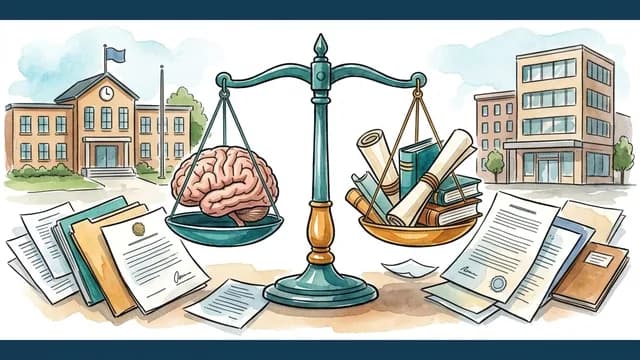
Is ADHD Special Needs? What the Law Actually Says
ADHD qualifies as special needs under IDEA, ADA, and Section 504. Here's what that means for schools, workplaces, and your legal rights.
Forget generic productivity advice — it wasn't built for your brain. Explore ADHD-specific strategies for procrastination, avoidance, deadline dependency, burnout recovery, and the interest-based nervous system that makes traditional motivation models useless.
ADHD qualifies as special needs under IDEA, ADA, and Section 504. Here's what that means for schools, workplaces, and your legal rights.

ADHD in women presents differently: internal hyperactivity, perfectionism paralysis, hormonal amplification, and decades of masking. Here's what gets missed.
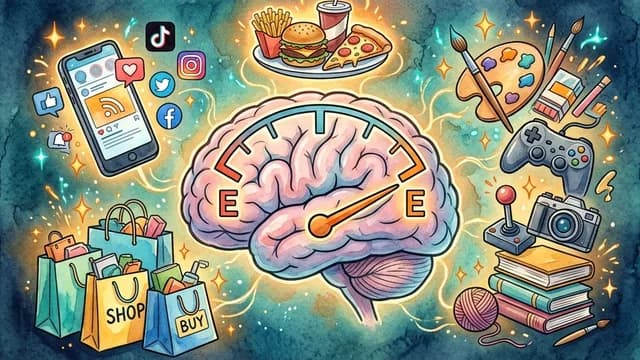
Doom-scrolling, impulse buying, risky decisions — ADHD dopamine-seeking isn't a choice. It's a brain running on empty trying to refuel.

You've succeeded — but you're convinced it was luck, not ability. ADHD imposter syndrome is powered by the gap between capacity and consistency.
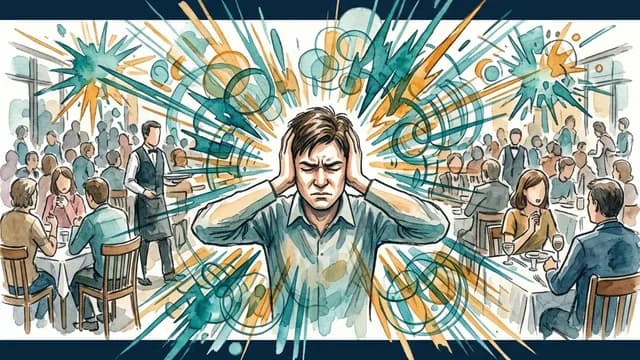
Lights too bright. Sounds too loud. Tags scratching your skin. ADHD sensory overload isn't about sensitivity — it's about a broken volume knob.
ADHD is neurodivergent. But what does that label mean in practice — for identity, treatment, and how you think about your own brain?

ADHD doesn't just affect the person who has it — it reshapes every relationship. Here's how to break the cycles that erode connection.

ADHD emotional dysregulation affects 70% of adults with ADHD. It's not a mood disorder — it's a regulation disorder. Here's the neuroscience difference.

Body doubling is one of the most effective ADHD productivity tools — and science is finally catching up to why sitting next to someone helps you focus.
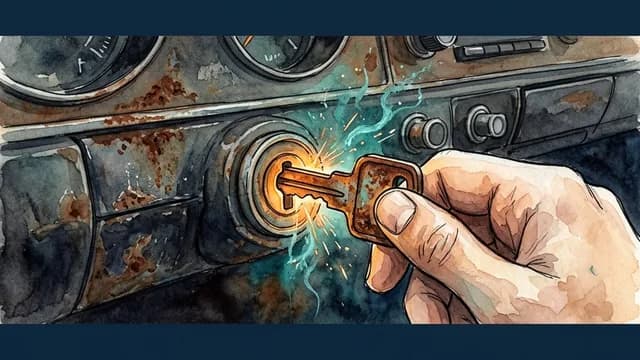
You know what to do. You can't start. These 7 ADHD task initiation strategies bypass the broken starter motor and get you moving.
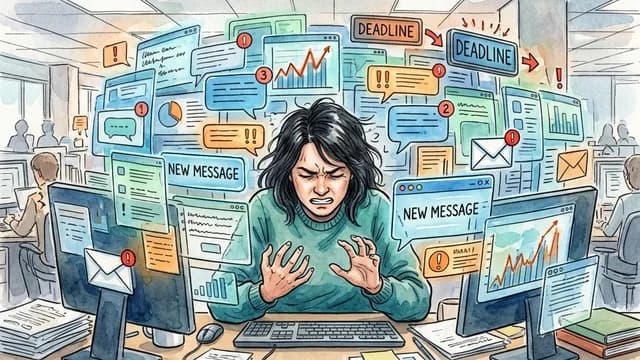
ADHD overwhelm at work isn't about the workload. It's about a brain that can't prioritize, filter, or sequence under pressure. Here's the real fix.

ADHD diagnoses are rising. Is it overdiagnosis, better awareness, or environmental change? The data points to all three — but not equally.
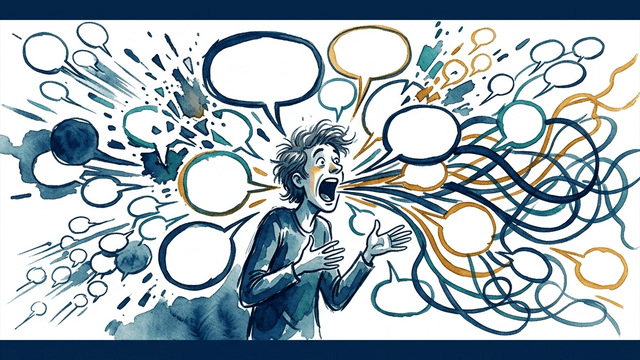
ADHD speech patterns — rapid-fire talking, interrupting, tangents, and going blank mid-sentence — aren't rudeness. They're neurolinguistic symptoms.
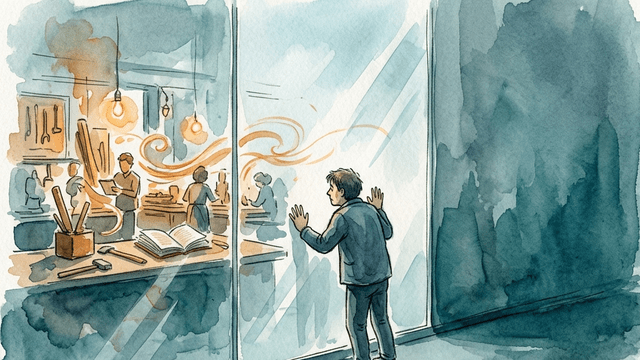
Everyone procrastinates. But severe procrastination ruins careers, health, and relationships. It may be ADHD, depression, or anxiety — not laziness.
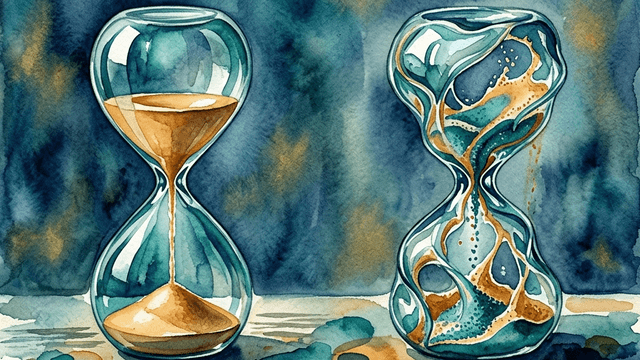
ADHD brains experience time differently at the neurological level. Here's the science of time distortion — and why clocks alone don't fix it.
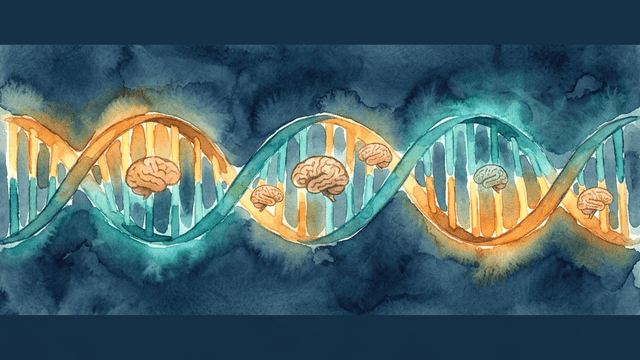
ADHD is 74% heritable — one of the most genetic psychiatric conditions. But genes aren't the whole story. Here's what determines who develops ADHD.
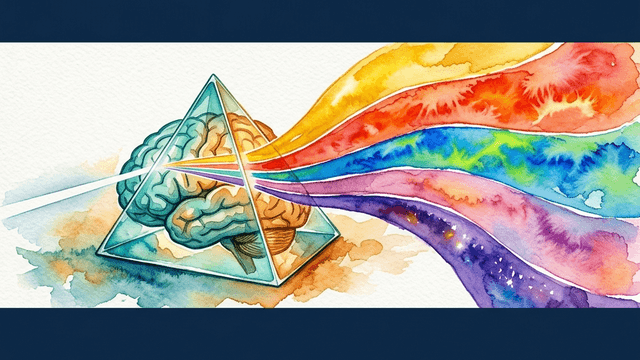
Is ADHD a disorder or a personality type? The answer is both. Here's how ADHD shapes personality — and where the line between trait and impairment falls.
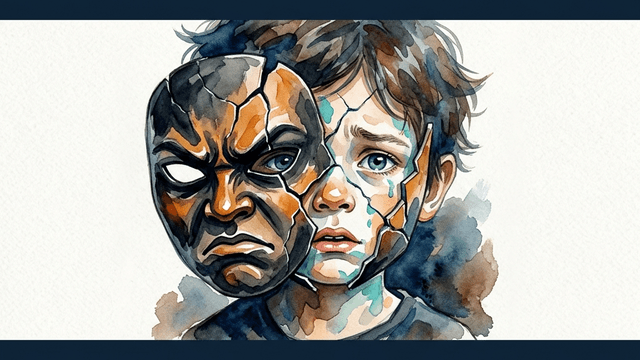
ADHD defiance isn't rebellion. It's executive dysfunction + demand sensitivity + emotional flooding. Here's how to tell the difference and what helps.
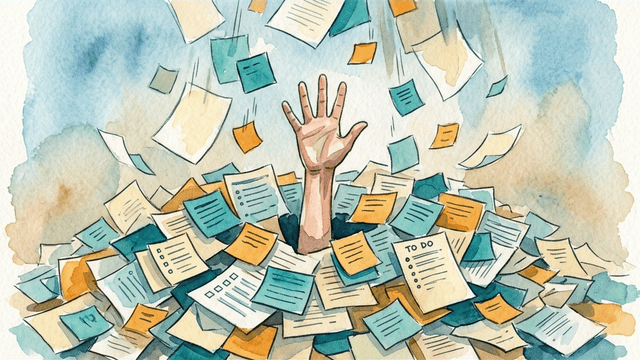
The more you have to do, the less you can do. Workload paralysis is an executive function overload — not a motivation problem. Here's how to break it.
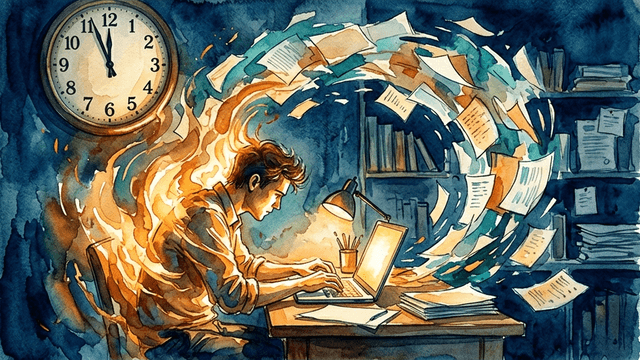
You can't start until the deadline is hours away. It's not poor planning — it's your brain needing urgency to generate dopamine. The fix isn't willpower.
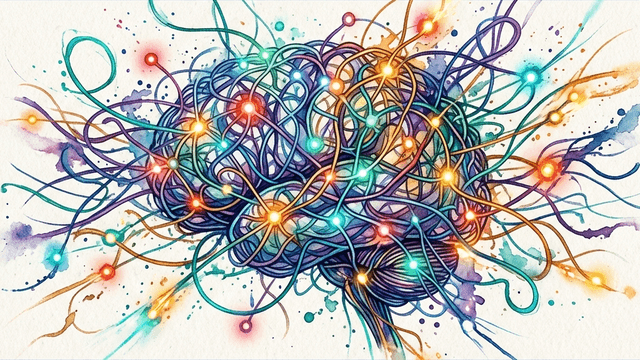
ADHD brains don't think linearly. They think in webs, spirals, and leaps. Here's a visual map of how ADHD information processing actually works.
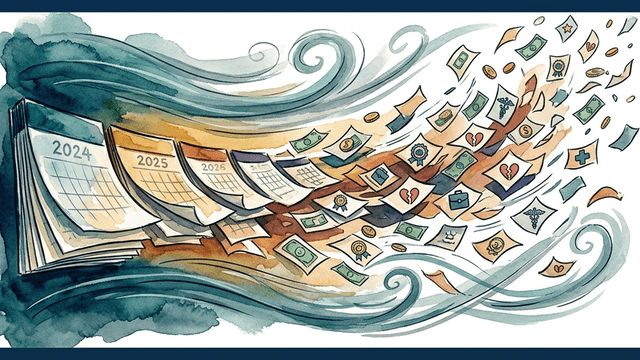
Untreated ADHD costs $14,000+/year in lost income, health consequences, and relationship damage. Here's what the longitudinal research reveals.
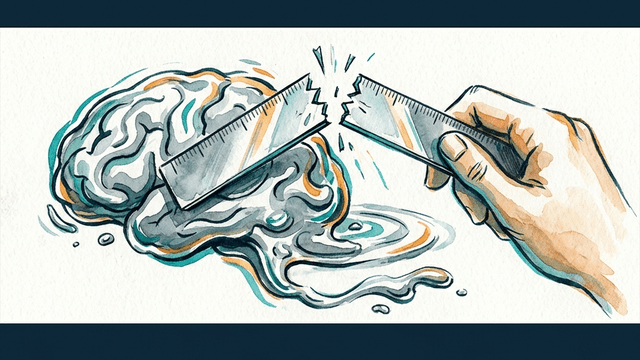
Traditional discipline assumes willful noncompliance. ADHD is involuntary incapacity. Here's why punishment fails and what works instead.
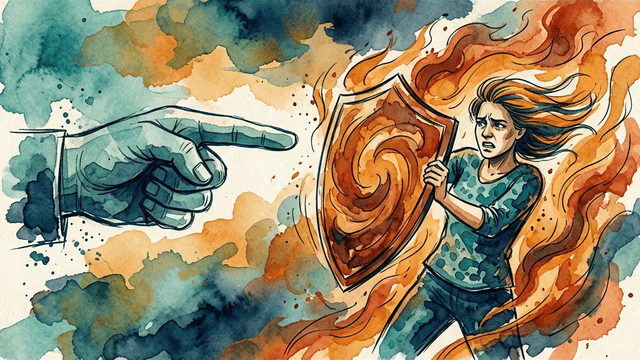
Being told what to do feels like an attack when you have ADHD. It's not defiance — it's pathological demand avoidance meets executive dysfunction.
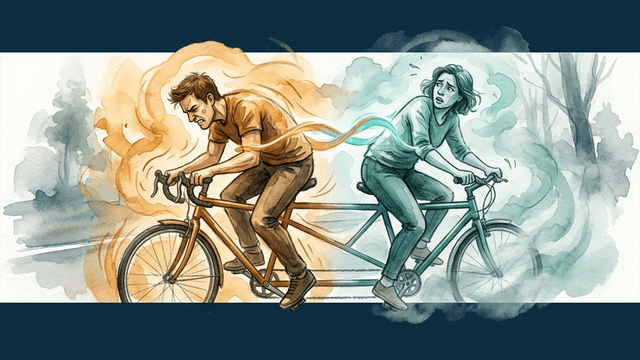
Your ADHD partner isn't ignoring you on purpose. But that doesn't mean it doesn't hurt. A guide for the non-ADHD partner who's running out of patience.
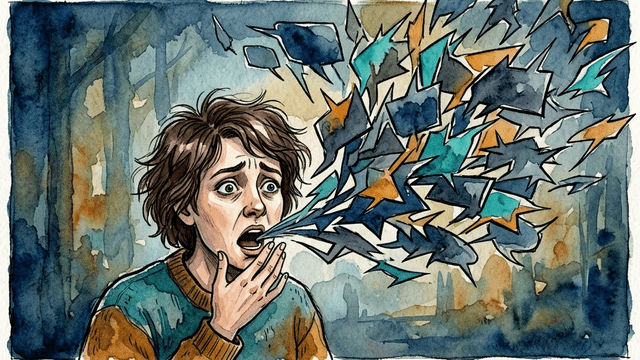
You didn't mean to say that. But ADHD impulsivity bypasses your filter, and the words are out before your brain catches up. The neuroscience + repair.
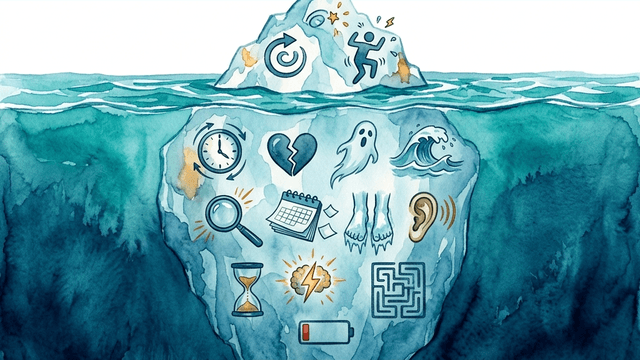
Beyond distraction and hyperactivity: 12 ADHD symptoms most people don't recognize — from time blindness to rejection sensitivity to chronic lateness.
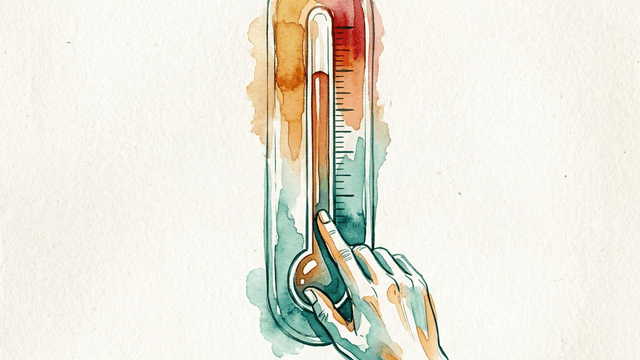
Stress directly antagonizes the dopamine system ADHD already impairs. Here's the cortisol-dopamine model and 4 ways to protect your brain.
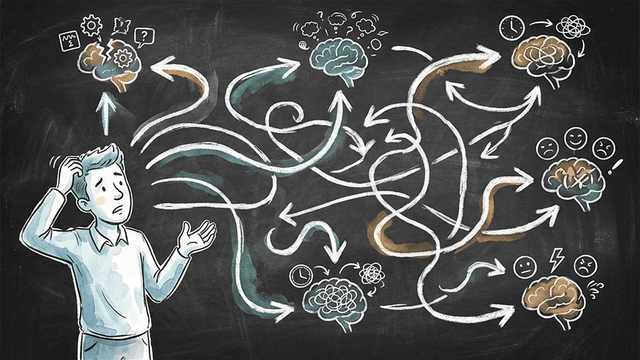
You're not lazy. Your executive function is impaired. Here's a diagnostic tree to find exactly which EF component is failing and how to fix it.
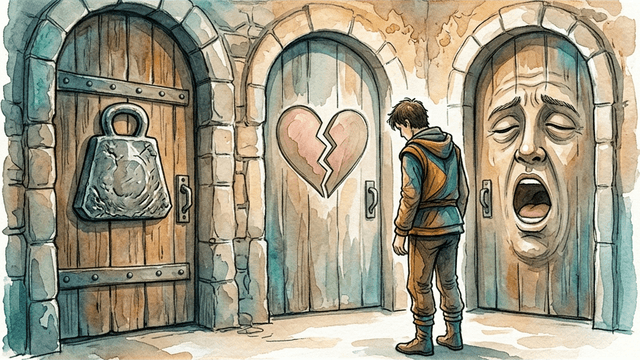
ADHD avoidance isn't laziness. It's your brain protecting itself from anticipated failure, boredom, or emotional pain. 3 types and what to do.
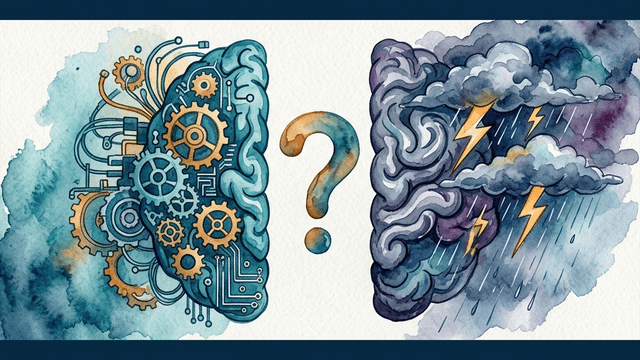
ADHD causes mood symptoms — but is it a mood disorder? The DSM says no. The neuroscience is more complicated. Here's what you need to know.
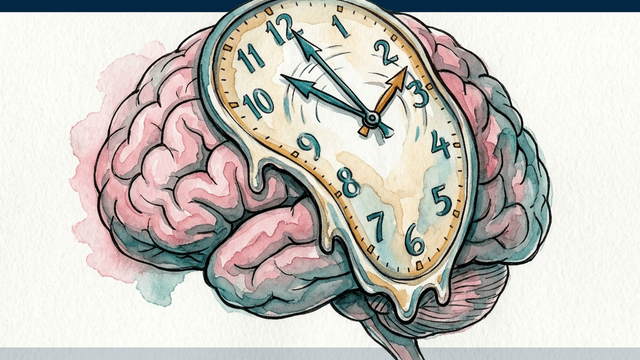
ADHD brains don't perceive time correctly. It's called time agnosia — and it explains lateness, deadline panic, and 'where did the day go?'
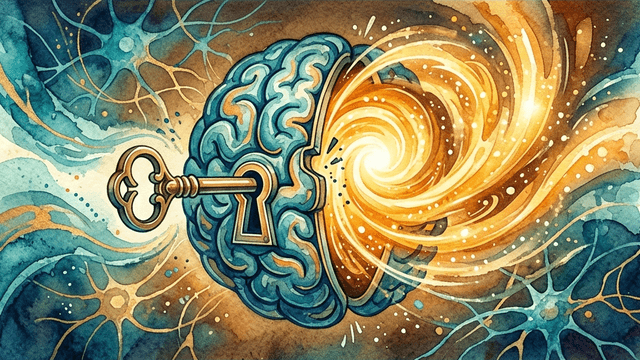
ADHD brains CAN lock in — but not through willpower. You need the right neurochemical setup. Here's a 5-step protocol backed by flow research.
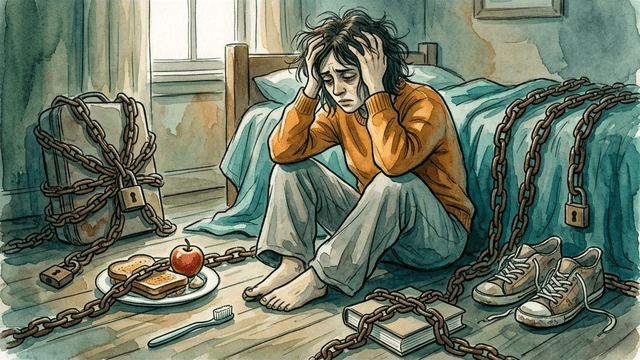
When even hobbies feel exhausting, your dopamine threshold has shifted. Here's the neuroscience of chronic 'meh' and 5 ways to reset it.
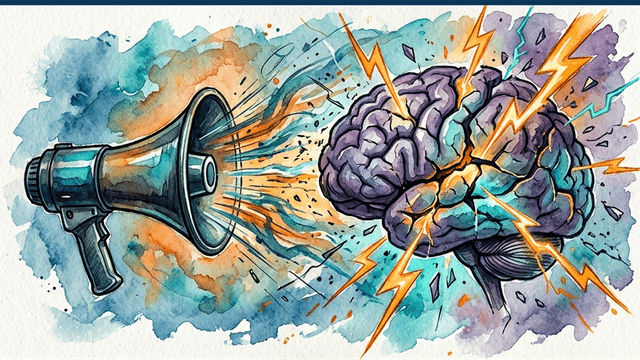
Stress doesn't just feel worse with ADHD — it IS worse. Cortisol antagonizes dopamine, collapsing the executive function you barely had. Here's why.
ADHD mood swings aren't bipolar. They're faster, shorter, and triggered by environment — not internal cycles. The neuroscience of emotional lability.
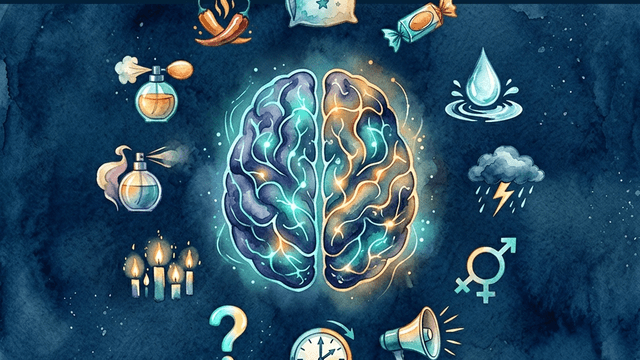
ADHD symptoms aren't constant — they spike under specific conditions. Here are 11 triggers backed by research, and how to map your own.
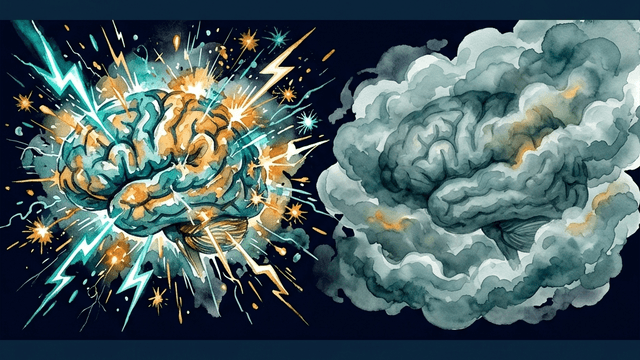
The 'opposite' of ADHD isn't calm focus. It's SCT (Sluggish Cognitive Tempo) — a slow, foggy processing style that's finally getting studied.

You're 90% done and can't finish. Completion anxiety isn't laziness — it's fear of judgment, loss of identity, or dopamine withdrawal. 4 fixes.
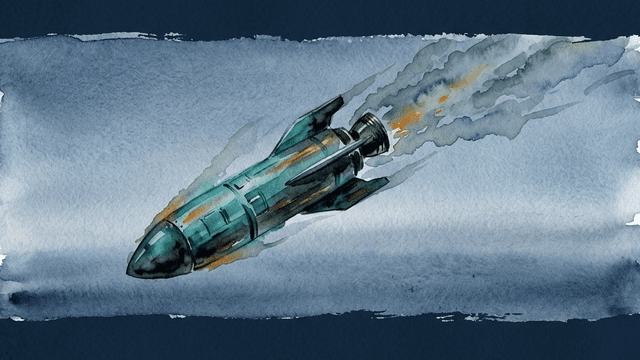
An ADHD crash is the dopamine depletion that follows hyperfocus or overstimulation. Here's the neuroscience and a recovery protocol.
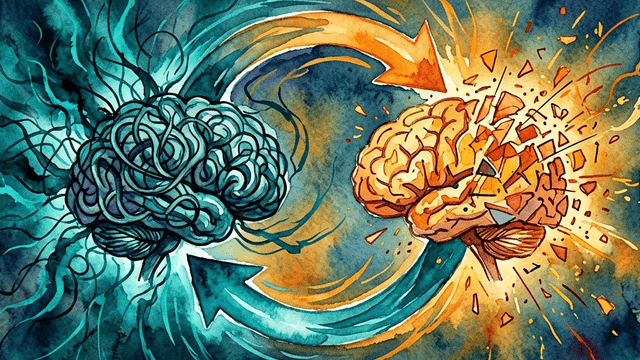
ADHD and anxiety feed each other in a vicious loop. Up to 50% of ADHD adults have an anxiety disorder. Here's why and how to break the cycle.
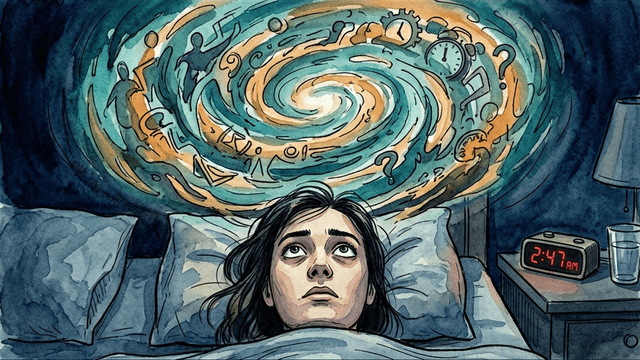
75% of ADHD adults have sleep problems. Your brain's alertness dial is stuck on high. Here's the neuroscience and a 6-step wind-down protocol.
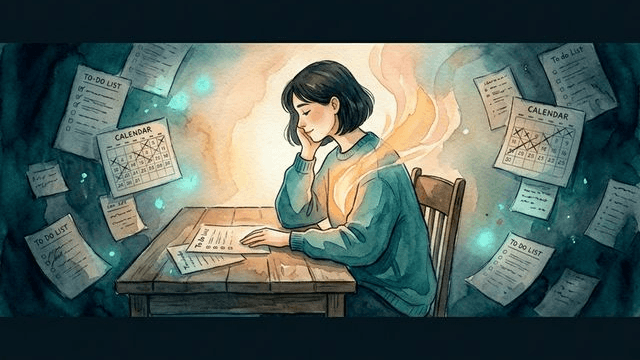
ADHD burnout isn't regular burnout. It's your compensation system collapsing after years of overwork. The warning signs and a 3-phase recovery plan.
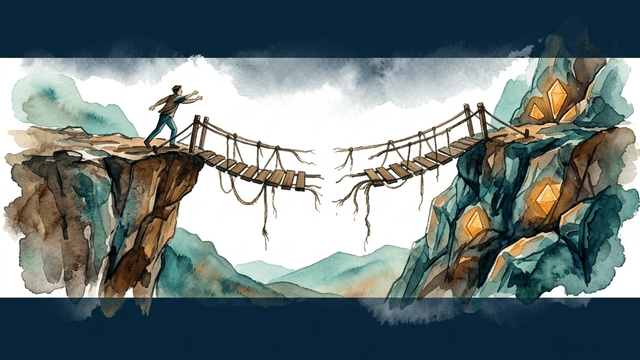
ADHD motivation isn't broken willpower. It's a dopamine reward system that can't bridge the gap between intention and action. The fix isn't trying harder.
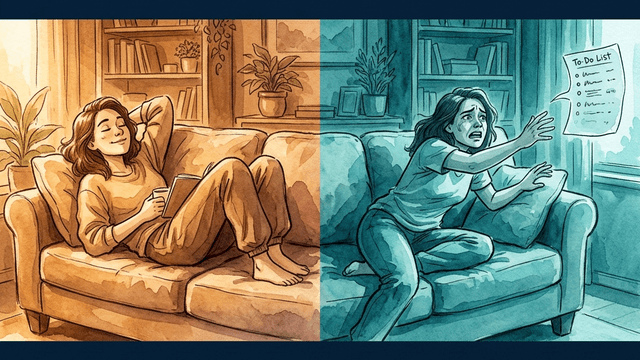
Lazy people don't want to do things. ADHD people want to and can't. The brain scans prove it. Here's the science that ends the argument.
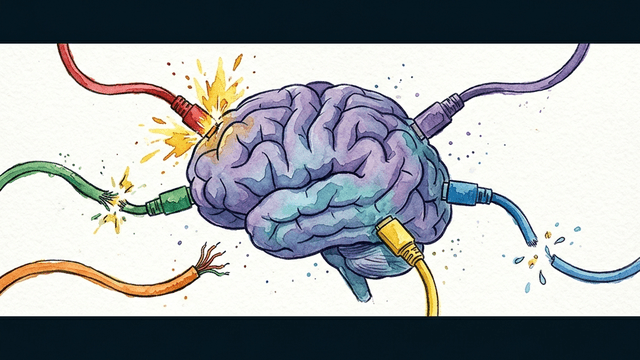
Your inability to focus isn't a character flaw. It's dopamine, working memory, sleep debt, or one of 4 other brain-level causes. Here's the full list.
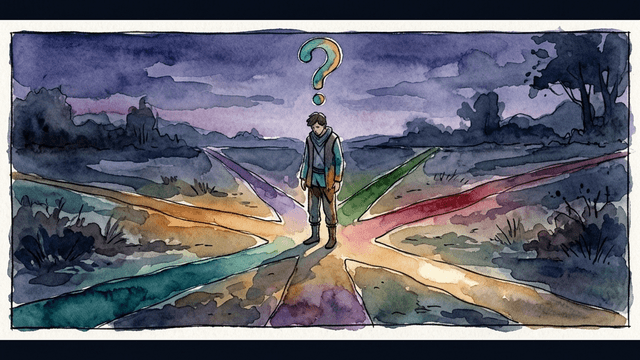
ADHD indecision isn't pickiness. Your brain can't evaluate options, predict outcomes, or commit to a path. The neuroscience and 4 decision shortcuts.
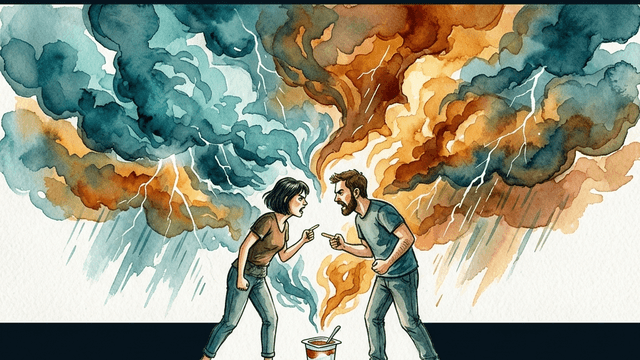
ADHD doesn't cause arguments. But it pours gasoline on every spark — impulsive words, emotional flooding, and zero working memory for context.
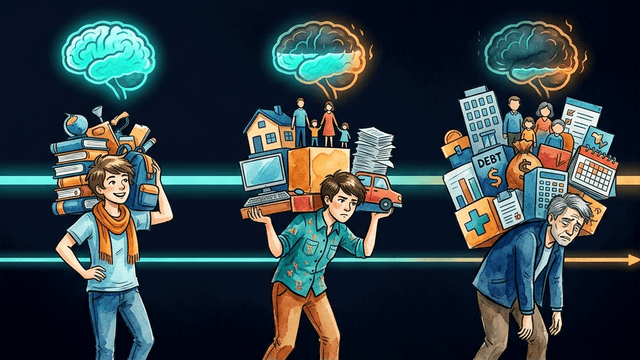
ADHD doesn't technically worsen with age. But life demands increase while cognitive reserves shrink. Here's what the longitudinal research reveals.
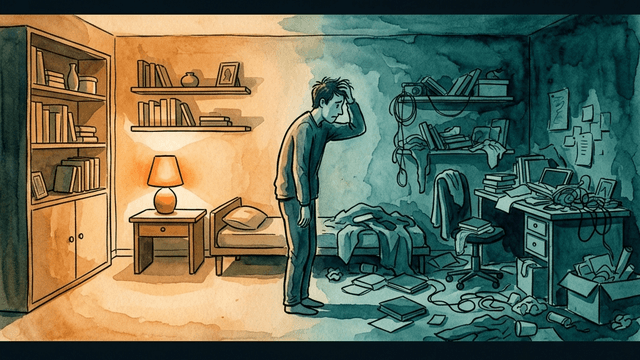
A messy room with ADHD isn't laziness — it's 5 executive functions failing at once. Here's why cleaning is so hard and how to actually do it.
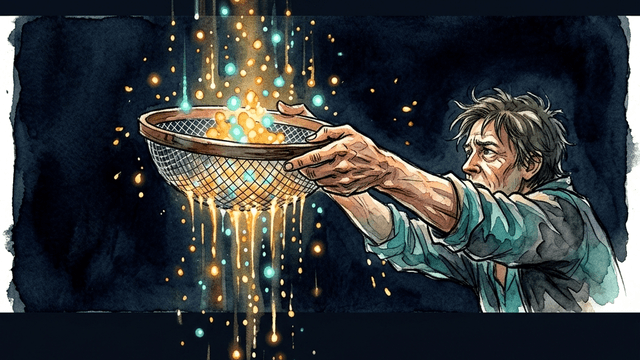
ADHD forgetfulness isn't carelessness. It's a working memory deficit that drops information before your brain can store it. The science and 4 workarounds.
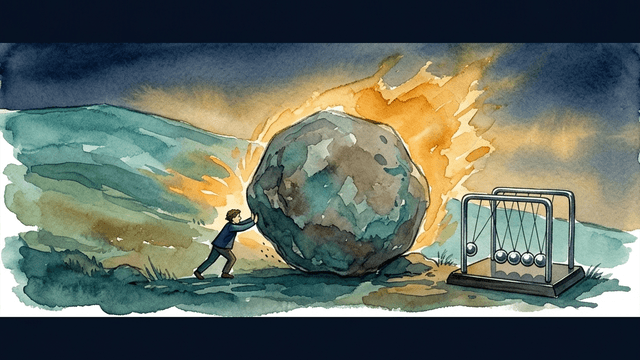
ADHD inertia isn't laziness — it's Newton's first law applied to your brain. An object at rest stays at rest. Here's why and 5 ways to overcome it.
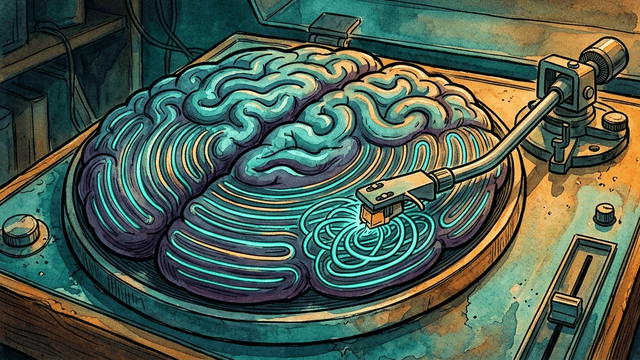
Stuck in a mental loop? Your default mode network is hijacking your task network. Here's the brain science and 4 escape routes that actually work.
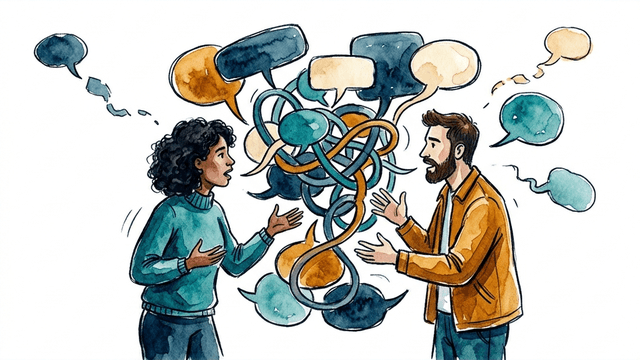
ADHD communication breakdowns aren't rudeness. They're working memory failures, impulse escapes, and processing delays. The science and 5 fixes.
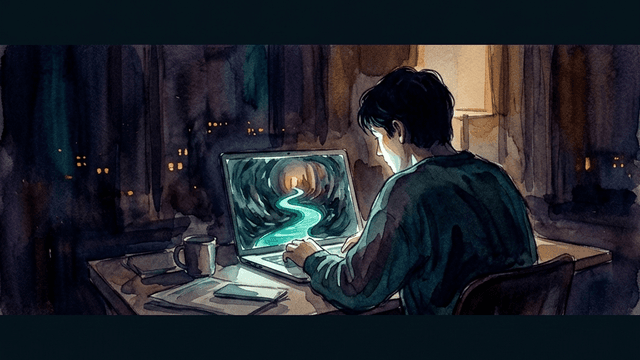
If ADHD feels like it's destroying everything, you're not weak. You're running a neurotypical OS on non-neurotypical hardware. Here's what to do next.
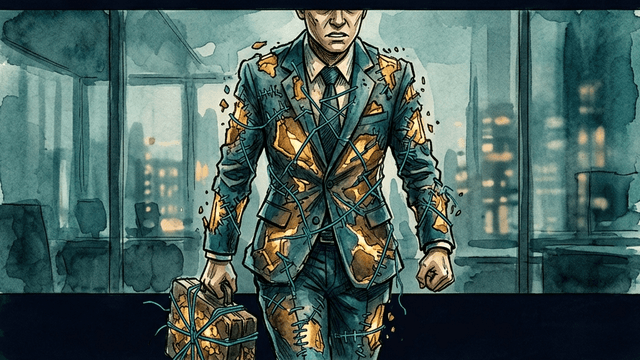
High-functioning ADHD doesn't mean mild ADHD. It means you're burning twice the fuel to produce the same output. 9 signs you're compensating, not coping.
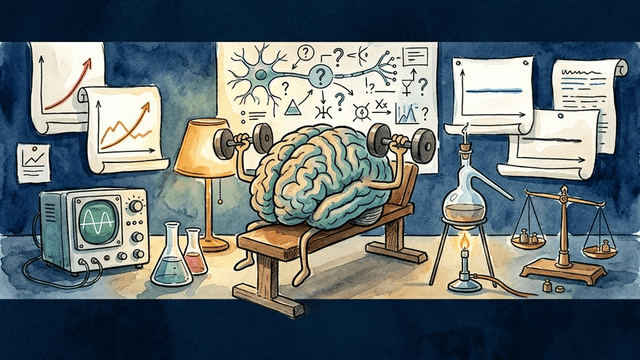
Executive function training promises to fix the ADHD brain. The research is mixed — some methods work, most don't. Here's what the evidence actually says.

ADHD hobby-hopping isn't flakiness — it's dopamine-seeking. 12 hobbies that match how your brain works so they last longer than 2 weeks.

ADHD anger isn't a character flaw. It's emotional impulses arriving faster than your prefrontal cortex can filter them. The neuroscience and 5 strategies.
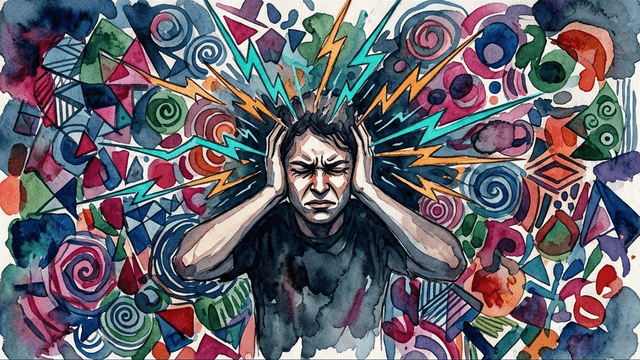
An ADHD 'attack' is a sudden escalation — racing thoughts, emotional flooding, total executive shutdown. Here's what's happening and 4 ways to ride it out.
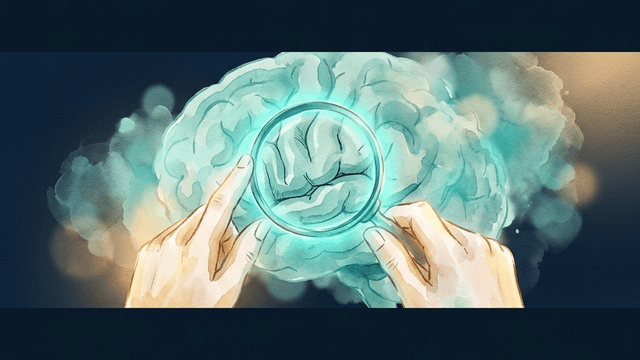
Stop trying harder. ADHD focus isn't a willpower problem — it's a dopamine regulation problem. 8 strategies that work with your brain, not against it.
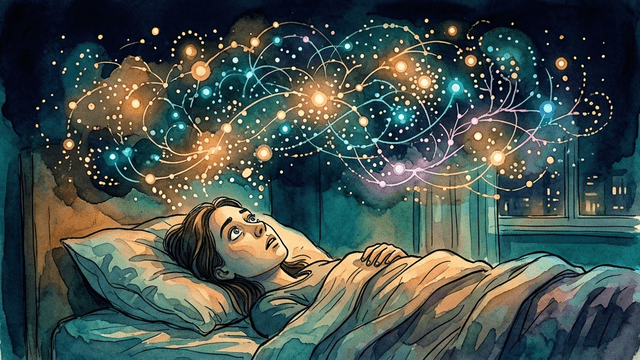
ADHD overthinking isn't worry — it's an unregulated default mode network running at full volume. The neuroscience and 5 ways to quiet it.
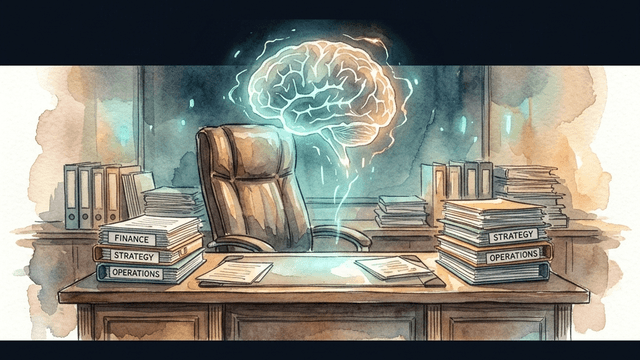
Executive paralysis is your prefrontal cortex failing to prioritize, sequence, or initiate. KD 8 means almost nobody is writing about this. We are.
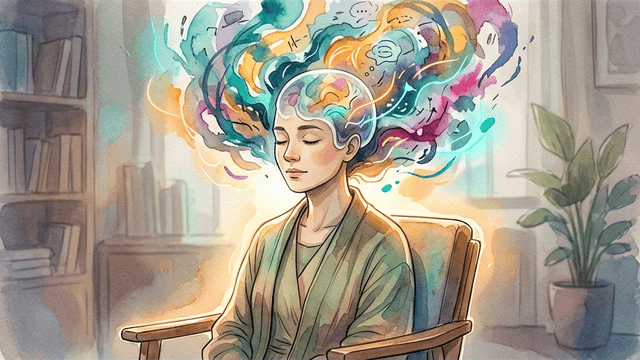
No bouncing off walls. No interrupting. Just a quiet brain that can't hold a thought. Inattentive ADHD affects 33% of cases and gets missed for decades.
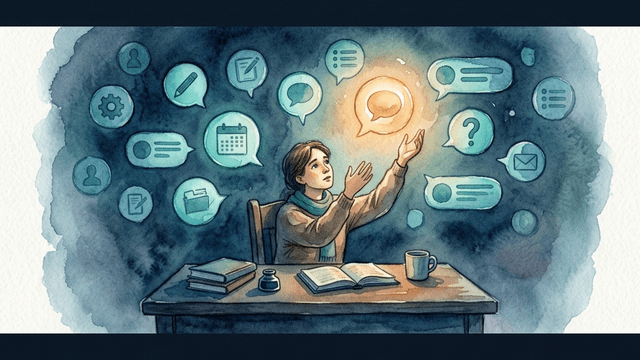
Mental paralysis isn't laziness — it's your prefrontal cortex shutting down under overload. The neuroscience behind the freeze and 6 ways to restart.
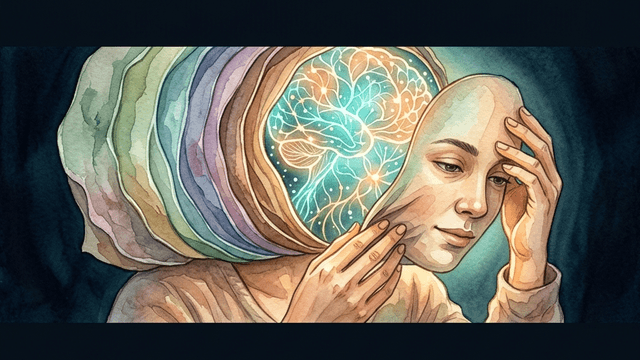
Short answer: ADHD doesn't appear from nowhere in adulthood. But it can hide for decades. Here's how late diagnosis actually works.
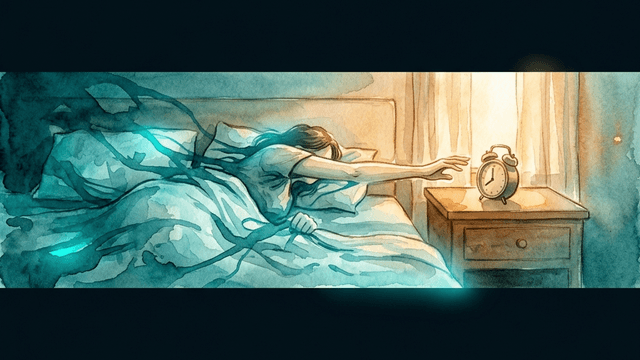
You're not lazy. Your brain can't fire the activation signal to start your day. 5 neurological reasons it's hard to get up and what actually works.
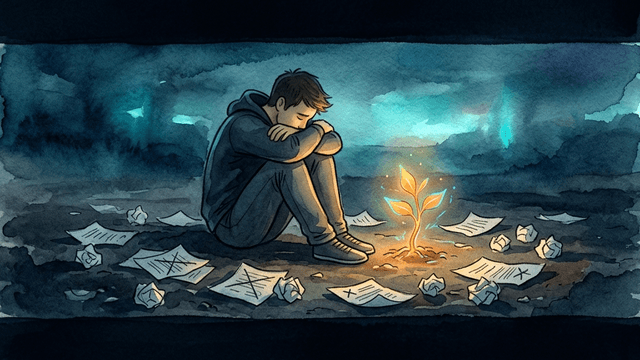
That 'I can't do anything right' feeling isn't weakness. It's the predictable result of a brain that fails at easy things. Here's the cycle and 5 ways out.
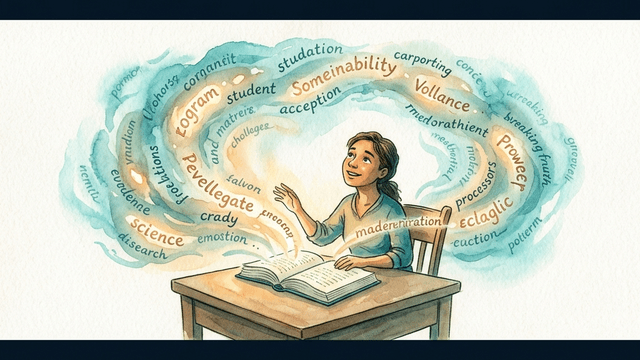
ADHD isn't classified as a learning disorder. But it disrupts every mechanism learning depends on. The distinction matters for accommodations.
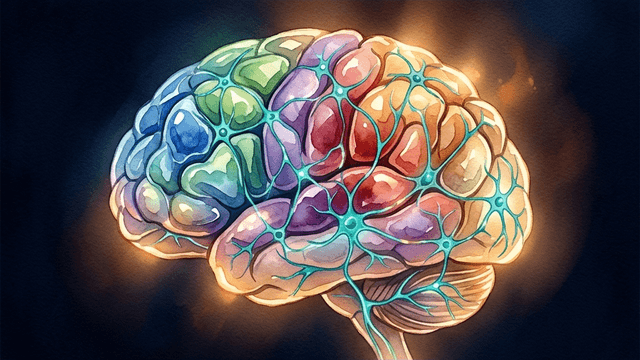
ADHD isn't about attention deficit — it's about attention dysregulation. 17 research-backed facts that challenge everything you think you know.
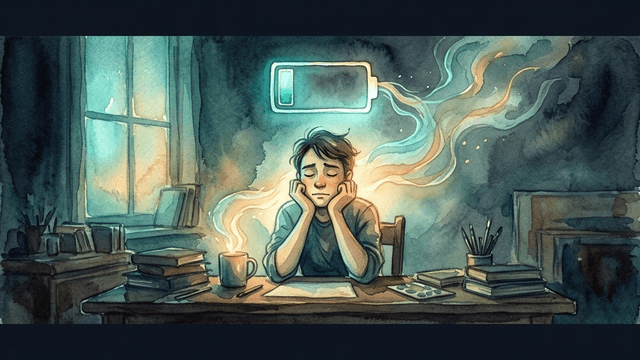
ADHD brains burn through cognitive fuel 2-3x faster than neurotypical ones. Here's the neuroscience behind mental depletion and 5 ways to refuel.
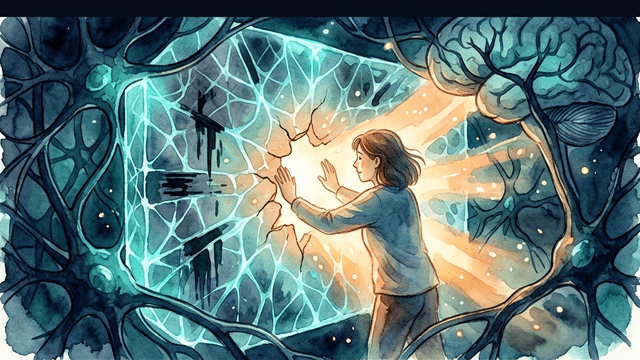
Mental blocks aren't willpower failures — they're your brain's protective shutdown against overload. 7 research-backed methods to break through.
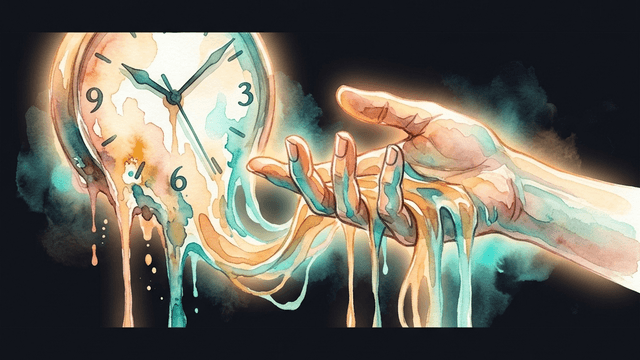
Your brain genuinely cannot perceive time passing. That's not a discipline problem. Here's what time blindness means and 6 strategies built for ADHD.

You're not numb. You're not lazy. Your nervous system is shutting everything down as a protective response. The neuroscience and 5 ways to thaw.
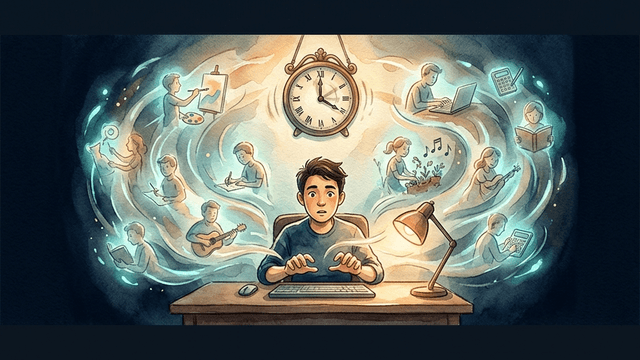
ADHD procrastination isn't avoidance — it's a neurological misfiring where your brain can't bridge wanting and acting. 5 signs yours might be ADHD.
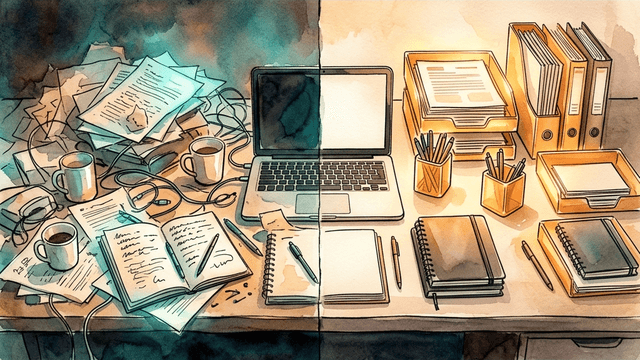
Color-coded binders, 3 apps, a bullet journal that lasted 4 days. The problem isn't your system — it's your brain's relationship with maintenance.
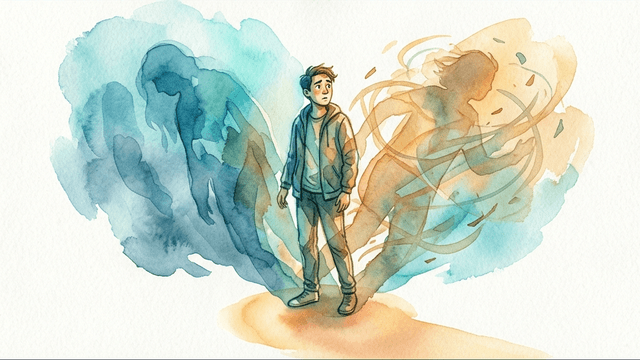
They share 70% of the same symptoms. But ADHD and depression drain you through completely different mechanisms — and the wrong treatment makes it worse.

Writing IEP goals for task initiation is tricky — they need to be measurable, achievable, and actually address why the student can't start. Here are 50+ ready-to-use goal examples organized by age, setting, and support level.

You know what to do. You want to do it. So why can't you start? Task initiation difficulty isn't about discipline — it's about 4 invisible neurological barriers. Here's what they are and how to dismantle each one.
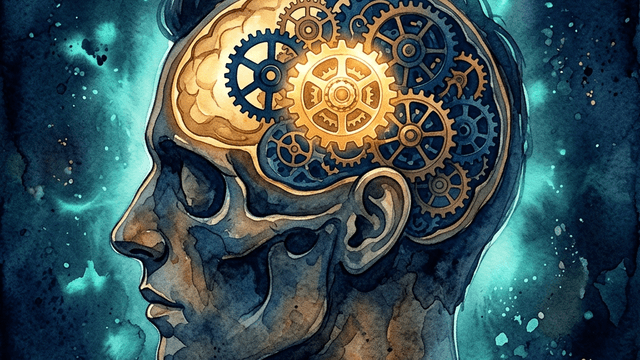
Executive dysfunction doesn't just make tasks harder — it makes starting them nearly impossible. Here's the neuroscience behind why task initiation is executive dysfunction's most visible casualty, and how to work around it.
You take your medication. Focus improves. But you still can't start. Here's what the research says about ADHD medication and task initiation — including why meds alone aren't enough and what to combine them with.
Willpower doesn't fix a dopamine deficit. These 7 task initiation strategies for adults are backed by neuroscience and designed for brains that know exactly what to do but can't seem to start.
Task initiation paralysis isn't procrastination — it's a neurological wall between intention and action. Here's what causes it, how it differs from regular avoidance, and 5 research-backed ways to break through when your brain refuses to start.
You've bought the planner. You've used it for 4 days. Now it's gathering dust. This isn't a willpower failure — it's a design mismatch. Here's how to adapt any planner to work with your ADHD brain, based on executive function research and hard-won personal experience.
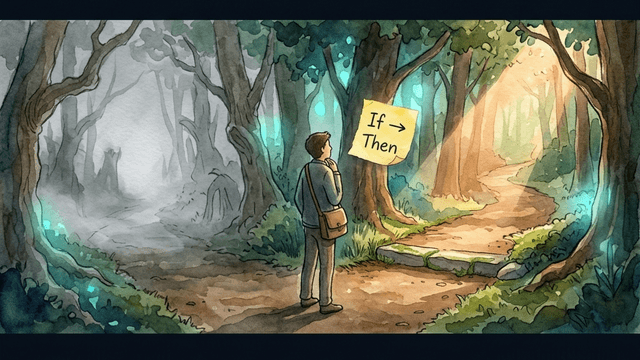
ADHD brains can't reliably fire the "start" signal. Implementation intentions (if-then planning) bypass willpower entirely — backed by a 94-study meta-analysis. 10 ready-to-use templates inside.
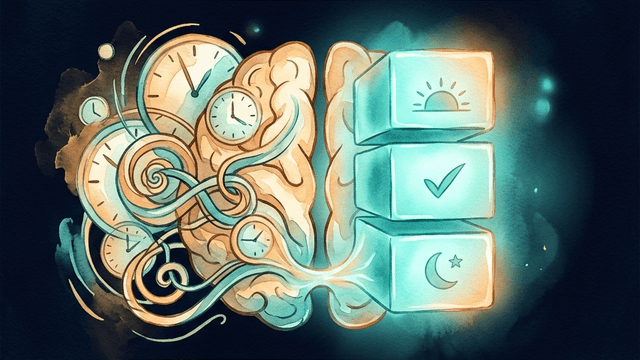
Every ADHD daily planning guide assumes you can estimate time, sequence tasks, and follow through consistently. Your brain can't do any of those things reliably. Here's a daily planning system built around executive dysfunction — not despite it.
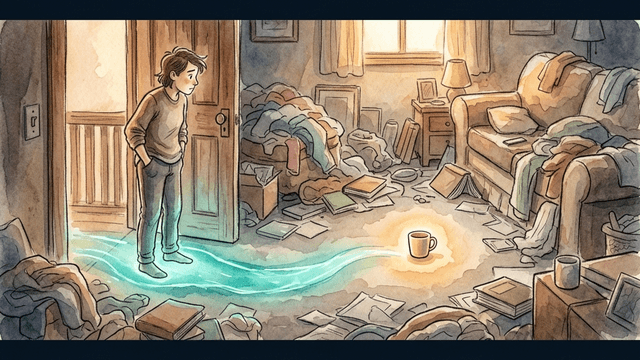
You've downloaded the Pinterest cleaning schedule. You've bought the cute chore chart. You've made the color-coded spreadsheet. None of it worked — because traditional cleaning plans demand the exact executive functions ADHD impairs. Here's what the neuroscience says actually works.
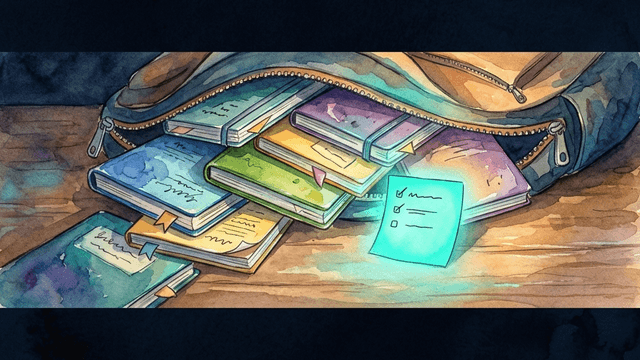
Your school planner isn't broken. Your brain just doesn't work with blank weekly grids and color-coded tabs. Here's what ADHD students actually need in a planning system — based on executive function research, not Pinterest aesthetics.
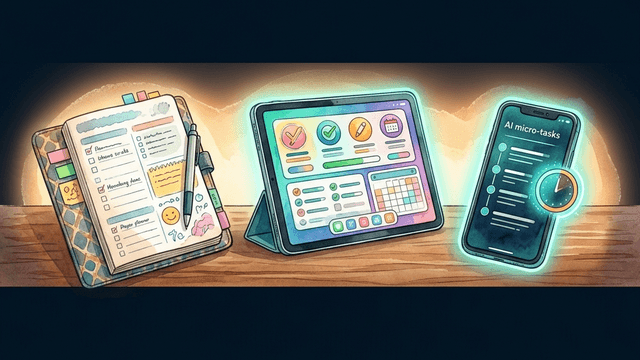
Most ADHD planners solve the wrong problem — they organize your tasks but can't help you start them. Here's an honest ranking of 9 planners (paper, digital, and AI) based on how well they work with your executive dysfunction, not against it.
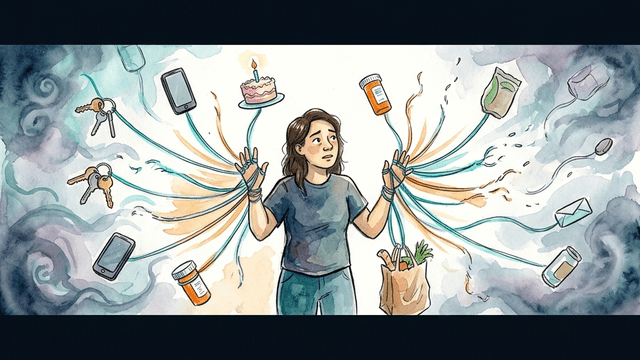
It's not your memory that's broken — it's which memory system is failing. Working memory, prospective memory, and retrieval each fail differently with ADHD. Here's what helps each one.
An 'ADHD Thaw' is the moment your frozen brain starts moving again. Learn the neuroscience behind why ADHD brains freeze, what actually triggers a thaw, and a 3-phase method to unfreeze yourself in under 5 minutes.
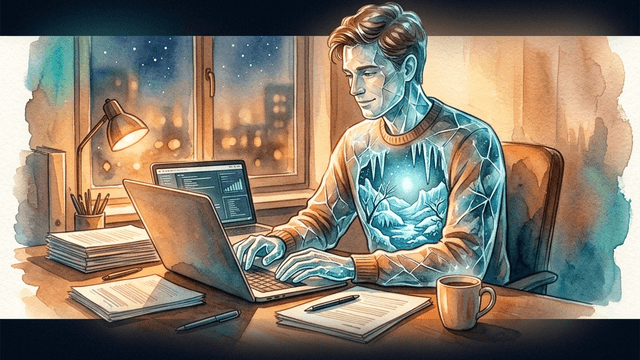
Functional freeze is the invisible ADHD crisis — you're meeting deadlines and answering emails while your nervous system has quietly shut down. Here's what's actually happening in your brain and how to thaw from the inside out.

ADHD emotional outbursts aren't anger issues — they're a prefrontal cortex failure to hit the brakes on an amygdala that's already redlining. Here's the neuroscience behind the explosion, the shame spiral after, and how to build a 90-second buffer.
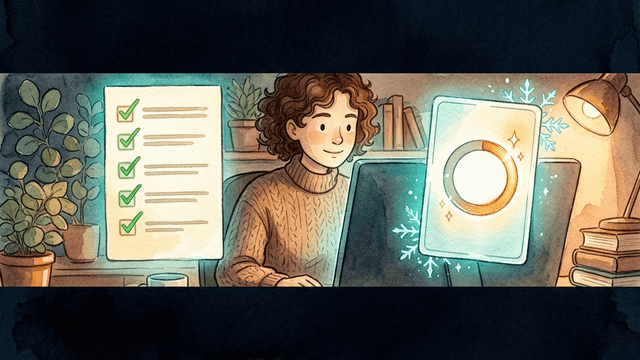
Goblin Tools splits your task into a list. Then what? Thawly picks up where Goblin Tools stops — guiding you through each micro-step with timers. After testing both daily with ADHD, here's when to use each.
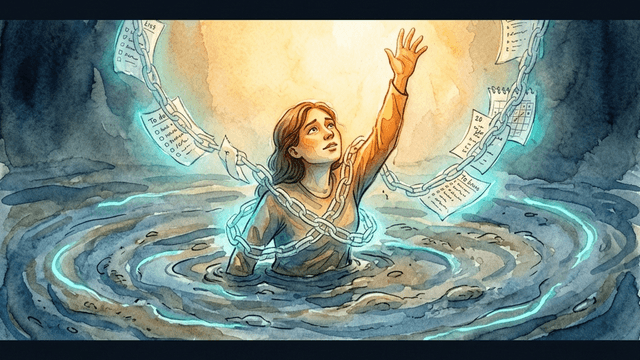
Feeling stuck with ADHD isn't a character flaw — it's a neurological trap involving executive dysfunction, dopamine gaps, and a brain that developed 30-40% slower in the areas you need most. Here's what's actually happening and how to break free.
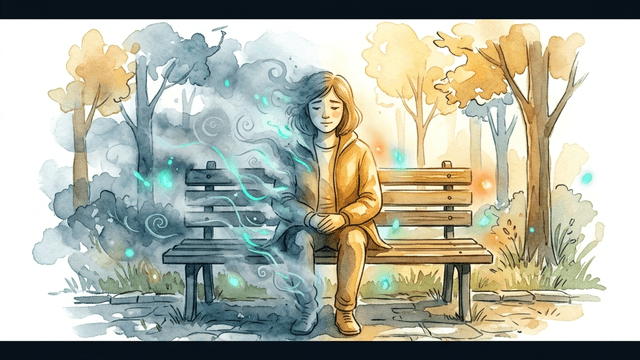
About 50% of adults with ADHD also have clinical anxiety. Up to 30% have depression. This isn't coincidence — it's a neurological chain reaction. Here's how ADHD quietly builds the conditions for both, and what actually helps.
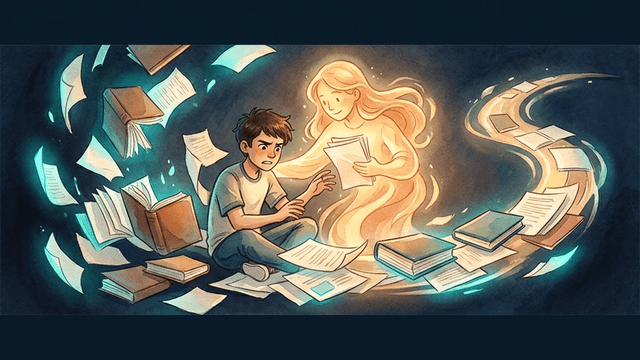
Executive functioning coaching isn't tutoring. It's not therapy. It's someone who helps you build the planning, organizing, and task-initiation systems your brain doesn't create automatically. Here's what it actually involves, who it works for, and affordable alternatives.
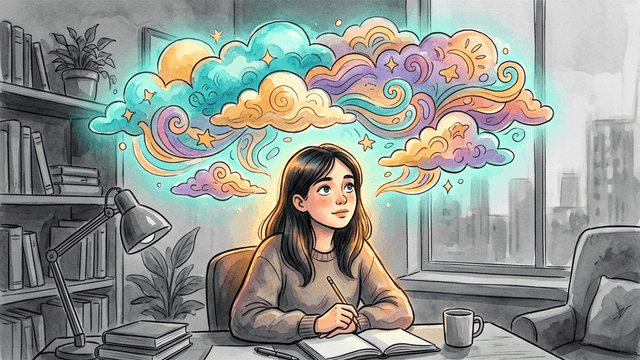
You're in a meeting. Someone's talking. You're nodding. Then you realize you missed the last three minutes and have no idea what was said. ADHD zoning out isn't laziness — it's your default mode network hijacking your attention. Here's what's happening and how to work with it.
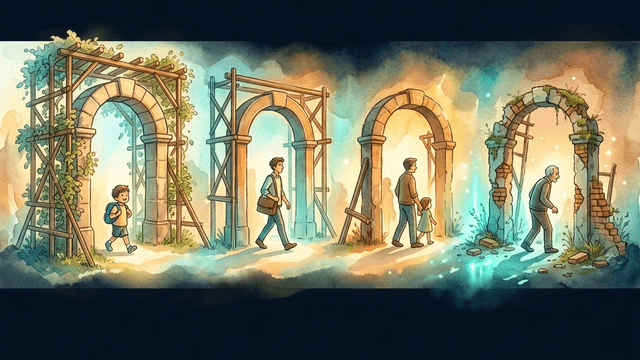
ADHD doesn't get worse with age — but the supports around you disappear. School had structure. Parents reminded you. Now it's all on you. Here's why adult ADHD feels harder, what's actually changing, and how to rebuild the scaffolding your brain needs.
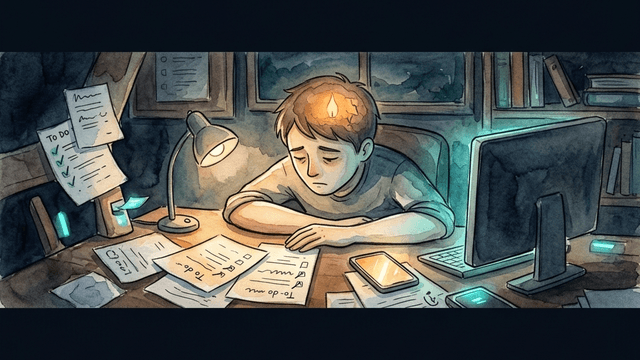
Not a meltdown. Not paralysis. ADHD shutdown is the quiet collapse — when your brain stops processing entirely. What triggers it, what's happening neurologically, and how to come back online.
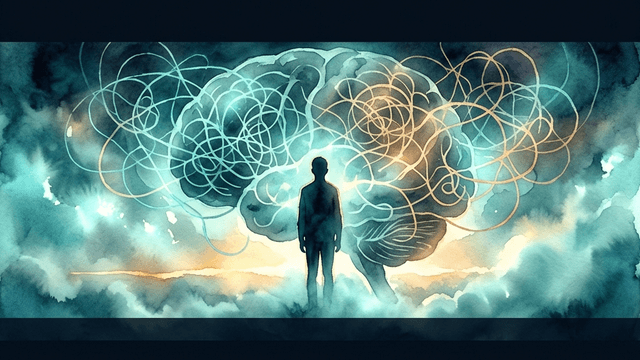
Mental paralysis isn't laziness or weakness — it's your nervous system hitting an emergency brake. Here's what's actually happening in your brain, and how to gently restart.
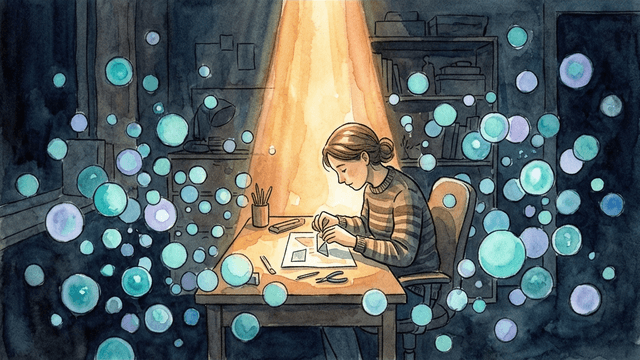
ADHD focus isn't about trying harder — it's about understanding why your attention system works differently and designing around it. Science-backed strategies organized by real-life scenario.
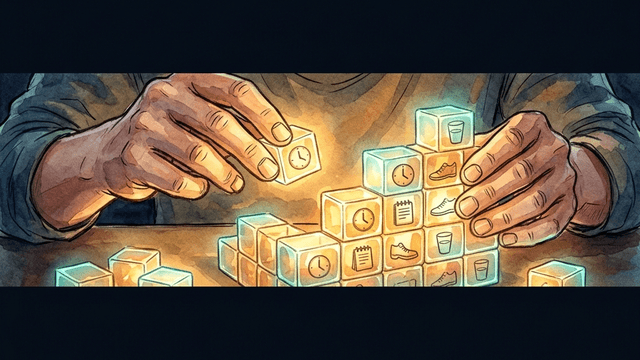
You know what executive dysfunction is. You've read the articles. You understand the neuroscience. Now you need to know what to actually DO about it — today, right now, with the brain you currently have. Here are 8 specific strategies that work.
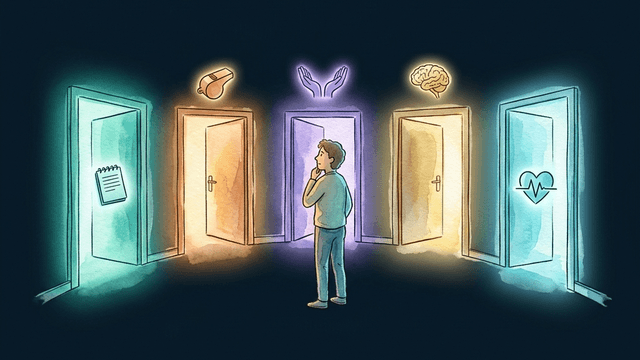
Therapy for executive dysfunction isn't just 'talk about your feelings.' The right approach rewires your brain's task management system. CBT, coaching, occupational therapy — here's what the evidence says about each, and how to pick the one that fits your brain.
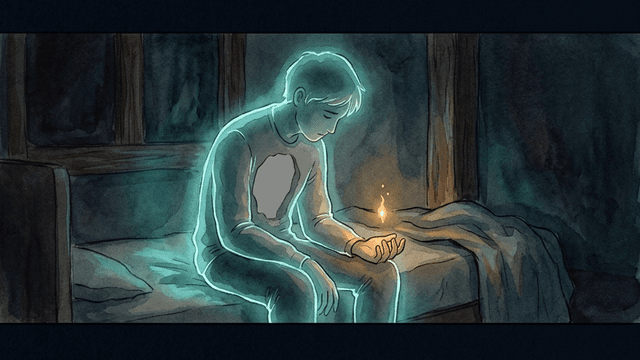
You're not sad. You're not anxious. You're not anything. You're just... stuck in a gray void where nothing feels real and nothing feels possible. Emotional paralysis is your nervous system in conservation mode. Here's why it happens and how to come back online.
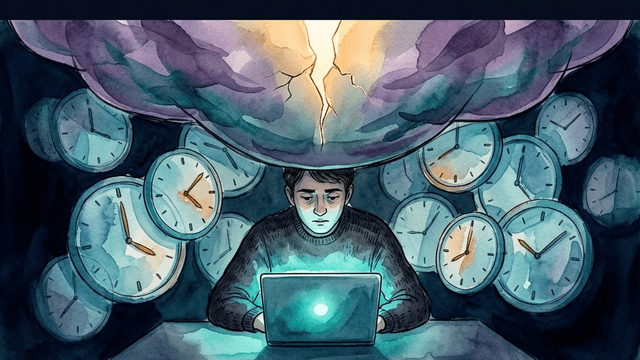
The deadline is tomorrow. The stakes are high. And instead of kicking into gear, your brain goes completely blank. Stress paralysis isn't weakness — it's your prefrontal cortex surrendering to cortisol. Here's the neuroscience and how to override it.
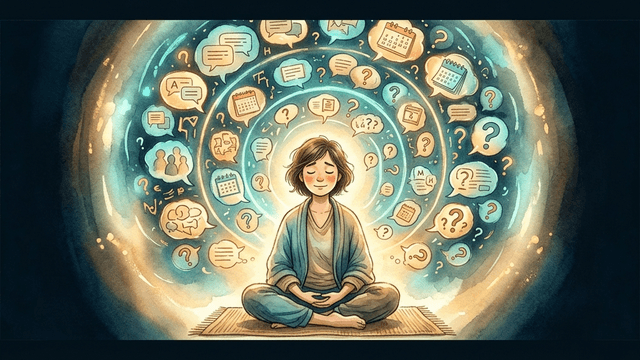
You replay conversations for hours. You spiral over decisions that should take seconds. You lie awake running simulations of things that haven't happened. Is this just anxiety — or could it be ADHD? Here's what science says about the overthinking-ADHD connection.
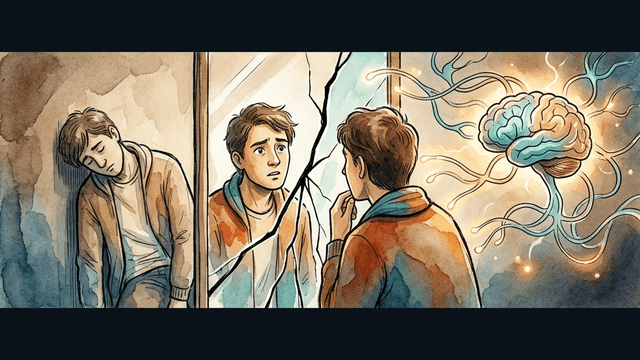
You've asked yourself a thousand times. Here are 9 clinical markers that separate ADHD executive dysfunction from garden-variety procrastination. Written by a cognitive psychologist.
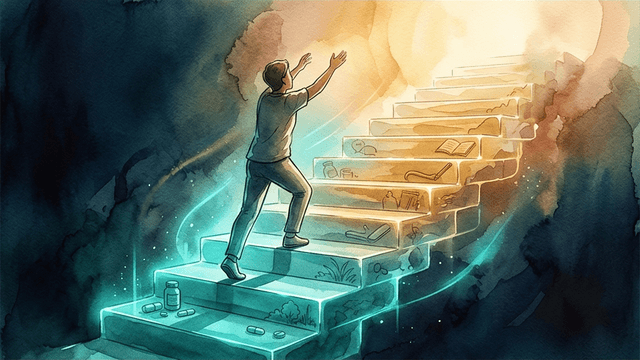
Searching for ADHD paralysis treatment? Here's the honest truth: there's no single fix. But the right combination of medication, behavioral strategies, and environmental design can shrink episodes from hours to minutes. Here's exactly what works and why.
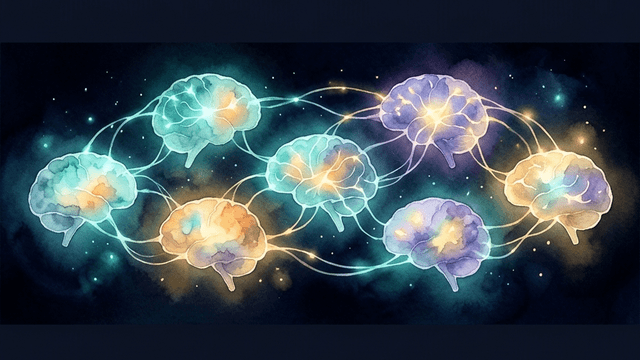
ADHD isn't one condition — it's at least 7 distinct neurological profiles with different symptoms, different struggles, and different treatment approaches. Find out which type matches your brain.
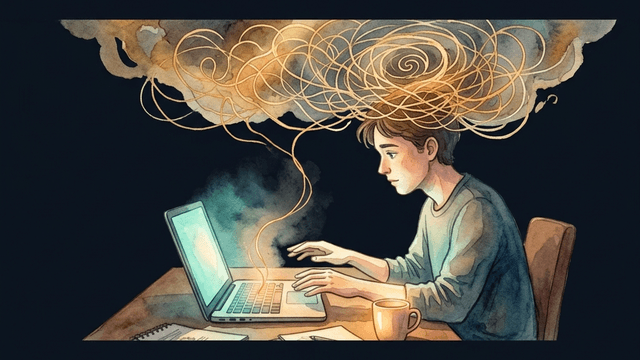
Paralyzing anxiety isn't dramatic — it's silent. You can't reply to a text, can't make a phone call, can't start the assignment. Here's what's happening in your amygdala, why it's worse with ADHD, and 6 strategies to defrost yourself.
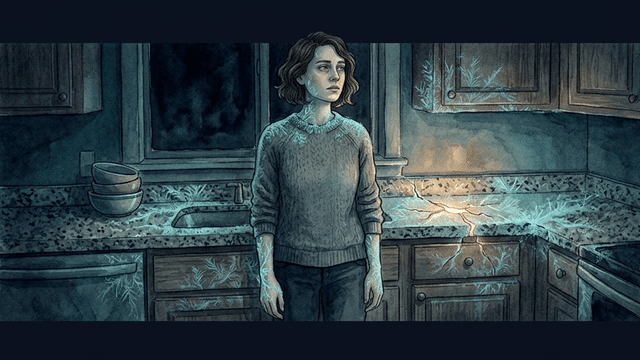
ADHD freeze isn't laziness — it's your nervous system hitting a circuit breaker. Learn the neuroscience behind the freeze response, how it differs from regular procrastination, and 5 evidence-backed strategies to pull yourself out.

You weren't lazy. You weren't too sensitive. You weren't broken. You were a woman with ADHD — and nobody caught it because the diagnostic criteria were built around hyperactive eight-year-old boys. Here are the signs that got missed, the science behind the gap, and what to do now.
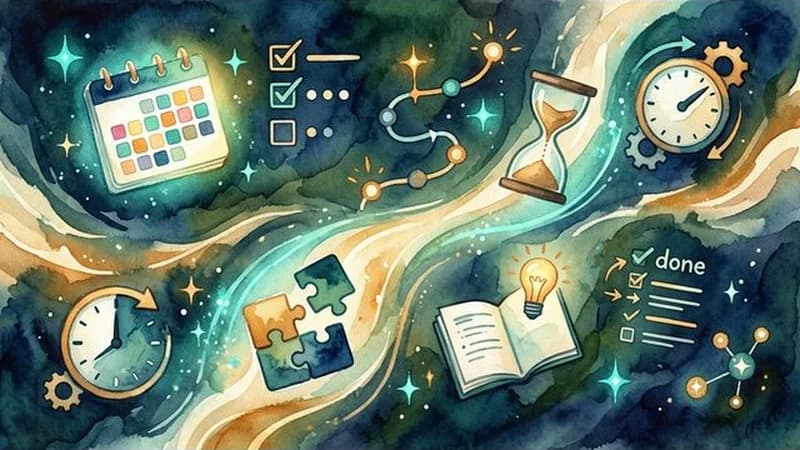
Most productivity apps assume your executive function works. These 7 don't. Tested over 6 months by a cognitive psychology researcher who has ADHD. No affiliate links, no sponsored picks.
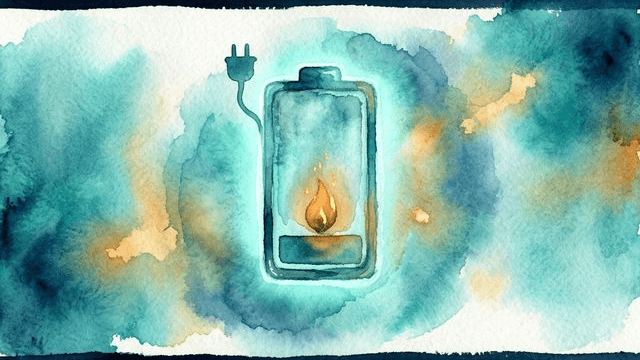
You're exhausted, but it's not normal tired. Your coping strategies stopped working, the mask is cracking, and everything you used to handle just fine now feels impossible. This is ADHD burnout — and it's fundamentally different from regular burnout. Here's the science behind why it happens and what actually helps.

Not procrastination. Not laziness. ADHD paralysis is a neurological freeze affecting 70%+ of adults with ADHD. Task, choice, and mental paralysis explained with exit strategies for each.
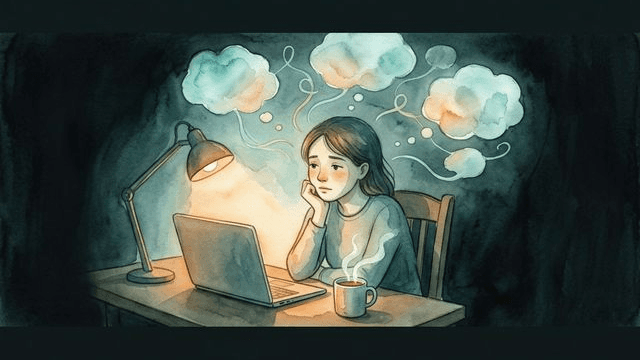
You know what to do. You've known for hours. Your body won't move. That's not a character flaw — it's prefrontal cortex shutdown. The neuroscience and 6 strategies that work.
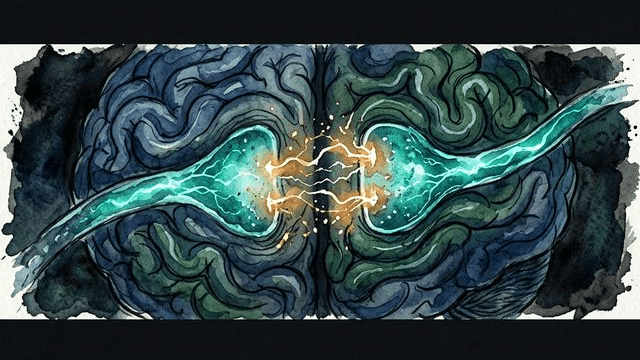
Starting isn't about motivation. It's a specific executive function your ADHD brain struggles with. The neuroscience of task initiation and 8 strategies that bypass the freeze.
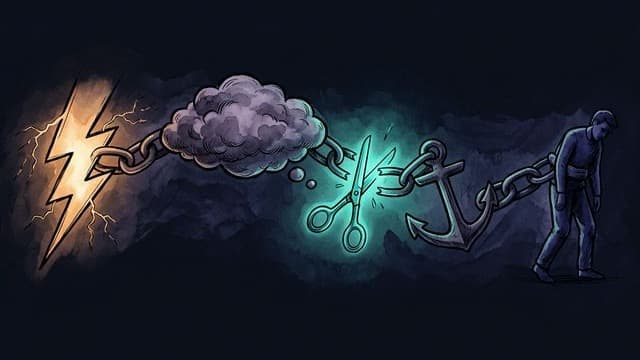
Generic CBT doesn't work for executive dysfunction. These 7 adapted exercises target the specific prefrontal cortex deficits behind task paralysis, planning failures, and emotional overwhelm.
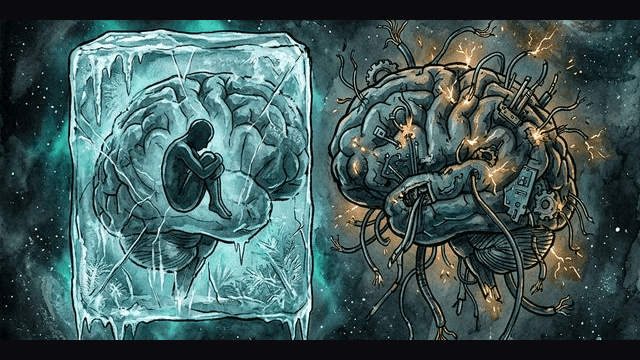
They sound identical but they're not. ADHD paralysis is a symptom. Executive dysfunction is the mechanism. Understanding the difference changes how you treat both.
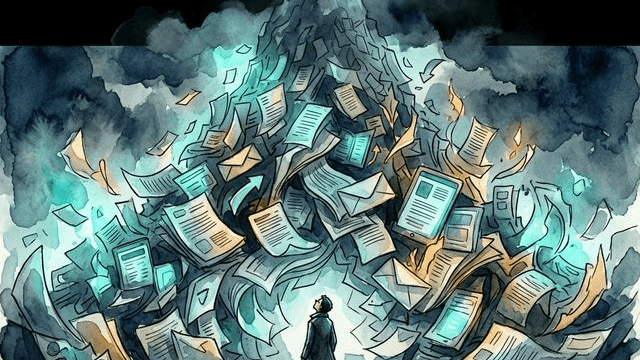
It's not one task. It's the invisible weight of 47 tasks pressing on your prefrontal cortex at once. The neuroscience of ADHD overwhelm and how to shrink the pile.
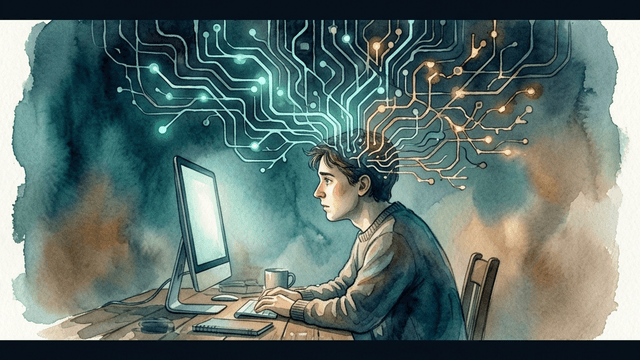
Executive dysfunction isn't a motivation problem. It's a prefrontal cortex hardware limitation. The complete breakdown: what it is, the 8 functions it affects, and what actually helps.